“The Social Reckoning”: When Hollywood Rewrites Recent History
Written and directed by Aaron Sorkin, The Social Reckoning offers an uninspired and politically convenient retelling of the 2021 Facebook leak.
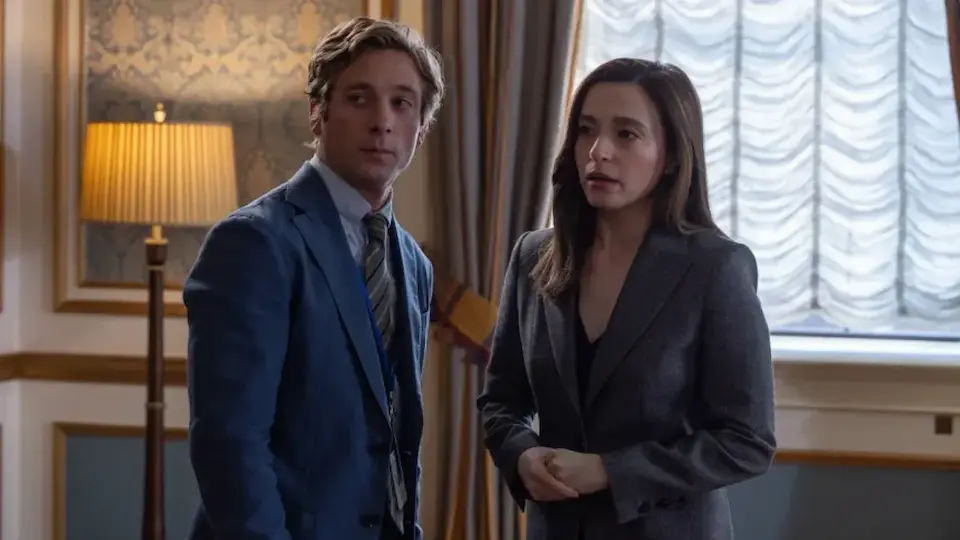
In a new attempt to make a quick buck (and while at it, turn the narrative to their convenience), Hollywood decided to produce a sequel to the acclaimed 2010 film The Social Network. A sequel that does not have the same director or cast, mind you, but was written and directed by Aaron Sorkin, who was in charge of the original’s script.
The intention was to tackle the infamous Facebook Files, which came to light in 2021, and follow the story of Frances Haugen, the whistleblower who leaked the documents, and Jeff Horwitz, the Wall Street Journal’s journalist who investigated the subject.
The result? The kind of film that twenty years ago would have been a straight-to-DVD sequel.
A Sequel That Is Not A Sequel
I recently rewatched The Social Network after almost a decade, and it was better than I remembered. It managed to condense the most relevant points on the creation of Facebook, get a grasp of who the main characters are and what they want, and take a look at the early consequences of the platform’s use, all in two hours. The film’s editing and the soundtrack by Trent Reznor and Atticus Ross make it feel dynamic without being too superficial, and the performances were on point.
The Social Reckoning, on the other hand, comes off as narrow-minded and preachy at every turn. Neither the direction nor the soundtrack evokes the atmosphere or pace of the original, and the performances, though competent, lack the support of a good script.
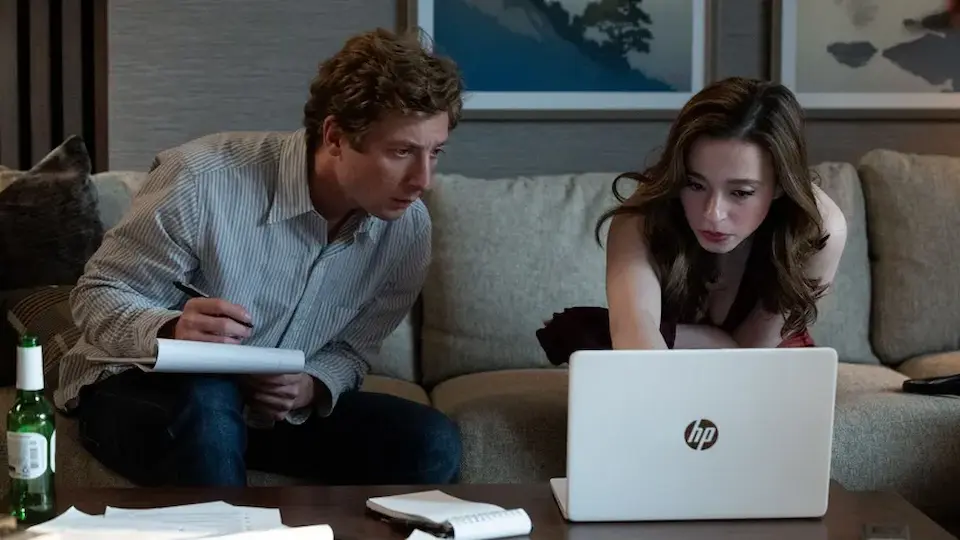
Both Jeremy Allen White and Mikey Madison are boring to watch, and Madison’s character’s constant demeaning comments towards everybody who is not a tech expert become irritating pretty soon. This character is also in charge of the long monologues explaining all the evil things Facebook is doing, as if she was reading an article. The information couldn’t have been presented in a less interesting way.
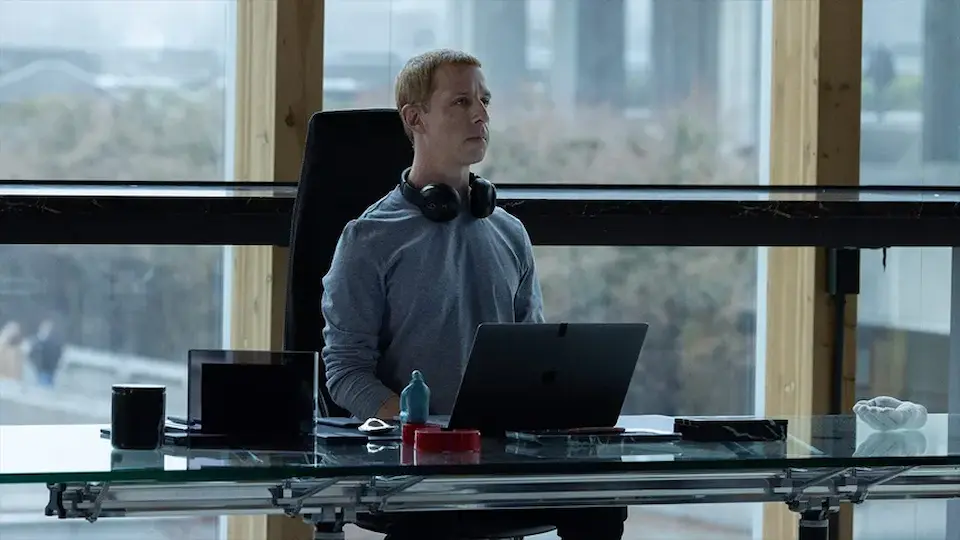
Even though The Social Network’s protagonist is Mark Zuckerberg, the film is well aware that he is not likable, and while he is humanized to a certain extent, they are not afraid to present him as an asshole. In this case, the film wants us to perceive Jeff Horwitz and Frances Haugen as these brave heroes, but the script makes them both cold and unlikable. I’m not mentioning Jeremy Strong’s portrayal of Mark Zuckerberg because he is barely in the film at all.
Facebook Bad, Left-Wing Good
The Facebook Files shed light on a range of subjects that went from the company knowingly exposing young people and teenagers to harmful content and different conditions for high-profile users to allow organized crime to promote and recruit on the platform, and political interventions. All these are global issues, not restricted to the U.S.
The Social Reckoning insists that Facebook was promoting the “far-right” and its ideas, and makes an evident effort to build the entirety of the narrative around the January 6th riots in the U.S., presenting the events as the be-all and end-all of the matter.
Let’s be honest here: before Elon Musk bought Twitter in 2022, no social media platform was allowing the so-called “far-right” content. At the height of the feminist-LGBTQ-progressive fever, plenty of creators got censored for speaking about the harm these ideologies were causing. To this very day, there are themes that have to be addressed in “code” to avoid being demonetized or suspended.
I’m not an active Facebook user, but I also have a clear memory of people getting suspended or banned from the platform during the pandemic for expressing concerns on the vaccine mandates or the lockdowns. If you questioned the approved narrative, which at the time happened to be kidnapped by the political left, your opinion was not welcomed. I do not doubt that Facebook was allowing content linked to violence and terrorism, but what the movie is trying to do is present a person who is politically conservative as the equivalent of a terrorist.
The information is available for anybody to read; there are plenty of videos and documentaries on different platforms; and most importantly, most people who used social media in any form needed no documentation to know that Facebook did not care about the users’ privacy or safety, and that the company would compromise them for money. Everybody was aware that there was content being actively censored before the files became public.
And this is the stupidest thing: this was six years ago; everybody remembers what was happening at the time. This blatant attempt to rewrite (or at least recontextualize) something that was not so long ago is just another example of filmmakers’ lack of connection with reality and how they underestimate their audience’s intellect.
Critical Reception & Box Office Results
It appears I’m not the only one who thinks The Social Reckoning has nothing interesting to it. The film has just finished its third weekend in the domestic market, and so far the box office amounts to a little over $9,000,000. While international release dates varied (in my country, it arrived in theaters only this past weekend), so it may still make some more money, the global box office is around $16,870,000. Considering that the film’s budget is at least $30,000,000 (this is according to Variety, but I’ve read other sources speaking about up to $42,000,000), it’s clear that it was a waste of money.
I’m sorry for Mikey Madison. Anora was a terrible movie, but I think she is a good actress. This being her first film after winning an Oscar is not a great career move. Aside from that, the failure is well deserved.